What Does Specialty Coffee Actually Mean? | Coffee Crest
If you have spent any time in a café in Lahore, Karachi or Islamabad lately, you have probably heard the phrase “specialty coffee.” Baristas mention it. Coffee bags carry it. Friends who take their morning brew seriously talk about it with pride. But what does specialty coffee actually mean?
Many people think it simply means expensive coffee or coffee that tastes fancy. Others believe it is just a marketing term. The truth is clearer and more interesting. Specialty coffee is a real quality standard. It describes beans that score high for flavour, cleanliness and care from farm to cup. Understanding this helps you choose better coffee at home and enjoy every sip more.
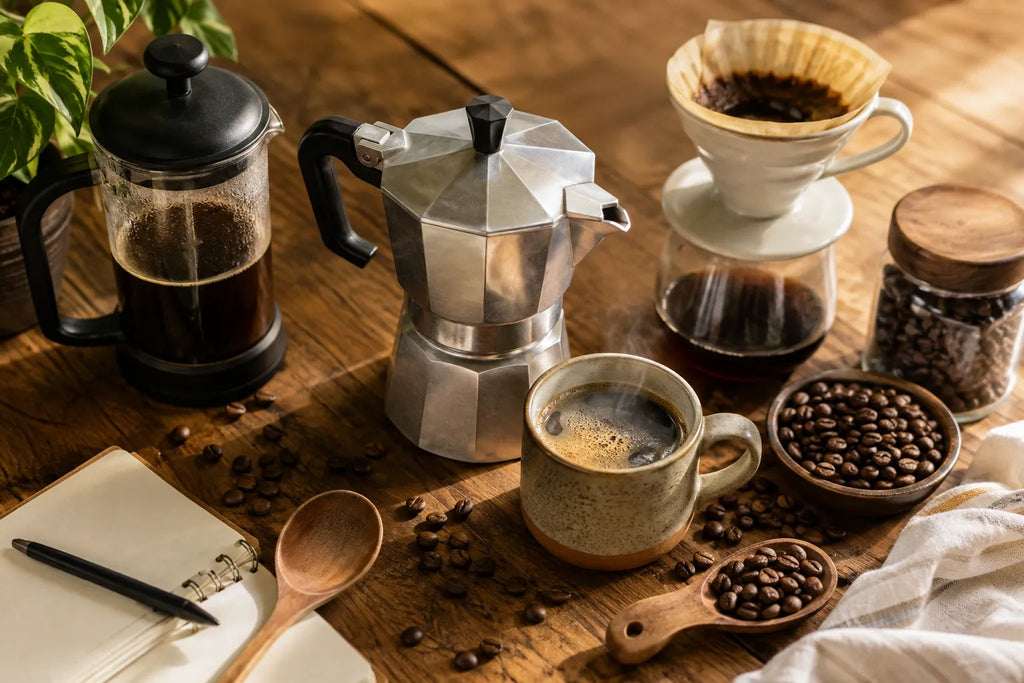
In Pakistan, more people are moving away from supermarket packs and towards fresher, better-tasting options. At Coffee Crest we focus on bringing carefully selected beans that meet these higher standards. You can explore our full range of coffee beans roasted in small batches and delivered across the country. Whether you brew with a moka pot, French press or pour-over, knowing what specialty coffee means makes the experience better.
This guide explains the definition in simple words, shows how it differs from regular coffee, and helps you spot the real thing when you buy.
The Simple Definition of Specialty Coffee
Specialty coffee is coffee that stands out because of its distinctive flavour, aroma and overall quality. It is not average. It has been grown, picked, processed, roasted and handled with extra care so that the natural taste of the bean shines through.
The Specialty Coffee Association (SCA) is the main international body that sets standards for this. For many years the practical rule was simple: coffee that scores 80 points or higher out of 100 on a professional tasting (called cupping) qualifies as specialty. Scores between 80 and 84 are considered very good, 85 to 89 excellent, and 90 and above outstanding and rare.
More recently the SCA has broadened the idea. Specialty coffee is now described as a coffee or coffee experience recognised for its distinctive attributes that give it significant extra value in the market. Those attributes can include flavour, origin story, how the farmers grew it, and the care taken at every step. The older 80-point rule is still widely used and understood by roasters and buyers around the world.
In everyday language, specialty coffee tastes clean, interesting and intentional. You can notice fruit, chocolate, nuts, flowers or sweetness instead of just bitterness or flatness. It is free from major defects such as mouldy, sour or fermented flavours that often appear in lower-grade beans.
How Specialty Coffee Is Graded
Professional tasters known as Q Graders evaluate coffee using a standardised process. They look at several factors:
- Fragrance and aroma (how it smells dry and after water is added)
- Flavour and aftertaste
- Acidity (the bright, lively quality, not sourness)
- Body (how the coffee feels in the mouth)
- Balance
- Sweetness
- Uniformity and cleanliness of the cup
- Overall impression
They also check for defects. Specialty-grade green beans should have very few defects in a sample. Only the best lots make the cut. Roughly 10 percent or less of the world’s coffee reaches specialty grade. The rest is commodity or commercial coffee sold mainly on price.
This grading happens before roasting. Good roasting then preserves and highlights those qualities instead of covering them up with heavy dark roasting.
Specialty Coffee vs Regular or Commodity Coffee
The difference is clear once you taste both side by side.
Regular or commodity coffee is grown mainly for volume and low cost. Beans are often mixed from many farms, machine-harvested with less sorting, and roasted darker to hide uneven flavours. The result is usually consistent but plain — bitter, flat or one-dimensional. It sits on supermarket shelves for months.
Specialty coffee focuses on quality at every stage:
- Selective hand-picking of ripe cherries
- Careful processing (washed, natural or honey methods that affect flavour)
- Traceability — you often know the country, region and sometimes the farm
- Fresh roasting in smaller batches
- Clear roast dates on the bag
In Pakistan the gap is easy to notice. A bag of freshly roasted single-origin beans from a trusted source tastes brighter and more complex than a generic pack that has been sitting for a long time. Home baristas in Lahore and Karachi often say the change is obvious from the first cup.
Why Specialty Coffee Matters for Pakistani Coffee Lovers
Pakistan’s coffee scene is growing fast. Cafés in major cities experiment with better beans. Home brewing is rising because people want café-quality results without leaving the house. Specialty coffee fits this perfectly.
Freshness is especially important in our climate. Hot summers in Karachi and humid days in Lahore can make old coffee go stale quickly. Small-batch roasted beans that arrive soon after roasting keep their aroma and sweetness longer. Coffee Crest offers freshly roasted beans with same-day delivery in Lahore and reliable nationwide shipping so you can enjoy them at peak quality.
Ethical sourcing also matters. Specialty coffee usually means farmers receive better prices for higher-quality lots. This supports more sustainable farming and better living conditions. When you choose carefully selected beans you support that chain.
For café owners the benefits are practical. Customers notice better flavour and come back. Consistent, high-quality beans help build a reputation. Many small cafés across Pakistan now source from local roasters who focus on specialty-grade lots.
What Makes a Coffee Truly Specialty?
Several practical signs help you identify real specialty coffee:
- Roast date on the bag. Look for the actual roast date, not only a best-before date months away. Fresh coffee is best within a few weeks of roasting.
- Origin information. Single-origin coffees name the country and often the region. Blends can still be specialty if the component beans meet the standard.
- Flavour notes that make sense. Descriptions like “chocolate and nuts” or “citrus and florals” should match what you taste.
- Clean taste. No harsh bitterness, sourness or off flavours.
- Careful packaging. Airtight bags with valves that let CO₂ out while keeping oxygen away.
At Coffee Crest you will find both single origins and carefully crafted blends that aim for these qualities. Popular choices include the smooth, chocolatey Brazilian Santos and the bright, fruity Ethiopian Sidamo. For something with more complexity many people enjoy the Kenya Matunda AA or the elegant Colombian Cattleya.
If you prefer consistent everyday cups, signature blends such as Top Gun Blend or End Game Blend deliver balanced flavour designed for daily brewing.
Single Origin vs Blends in Specialty Coffee
Both can be specialty. Single-origin coffee comes from one country or region and shows the unique character of that place — the soil, altitude and climate. Ethiopian coffees often taste floral or fruity. Brazilian ones tend toward chocolate and nuts. Kenyan lots can be bright and berry-like.
Blends combine beans from different origins to create balance, body or specific flavour profiles. A good specialty blend still uses high-scoring beans. The goal is harmony rather than highlighting one origin.
You can read more about the differences in our guide on single origin vs blends. Both styles work well in Pakistan depending on your brewing method and taste preference.
How to Brew Specialty Coffee at Home in Pakistan
Specialty beans reward good brewing. You do not need expensive equipment to start.
For French press or moka pot, medium or medium-dark roasts with chocolate notes work beautifully. Brazilian and Colombian beans are popular choices. For pour-over or AeroPress, lighter to medium roasts from Ethiopia or Kenya can show brighter flavours.
Use fresh water, the right grind size, and consistent ratios. Store beans in an airtight container away from heat, light and moisture. In Pakistan’s weather this is especially important. Aim to finish a bag within three to four weeks of the roast date for the best taste.
If you are still deciding which beans suit your method, our article on how to choose the right coffee beans walks through practical recommendations.
Many people also enjoy adding flavoured syrups for variety. Coffee Crest offers quality options in the syrups collection so you can make café-style drinks at home.
Buying Specialty Coffee in Pakistan – Practical Tips
Look for local roasters who roast in small batches and share clear information about origin and roast date. Nationwide delivery has made good coffee accessible even outside the big cities. Same-day options in Lahore help keep beans at their freshest.
Payment is easy with methods such as EasyPaisa, JazzCash and cards. When you buy online, check that the seller provides tracking and proper packaging so the coffee arrives in good condition.
You can start with a popular single origin or try a blend. Our buy coffee beans online Pakistan guide covers more details on what to look for and how to order with confidence.
Coffee Crest focuses on ethically sourced beans roasted fresh in small batches. We deliver across Pakistan so home baristas and café owners can access better coffee without complicated imports.
Common Myths About Specialty Coffee
Myth 1: Specialty coffee is only for experts.
Reality: Anyone can enjoy it. Start with approachable beans and simple brewing.
Myth 2: Darker roast always means stronger or better.
Reality: Dark roasting can hide defects. Specialty often uses lighter or medium roasts to show the bean’s natural character.
Myth 3: All expensive coffee is specialty.
Reality: Price alone does not guarantee quality. Look for roast date, origin details and clean flavour.
Myth 4: You need special equipment.
Reality: A simple moka pot, French press or even a good pour-over cone works well with quality beans.
Why Freshness and Small-Batch Roasting Matter
Coffee is a fresh product. After roasting, the flavours develop for a few days and then slowly fade. Large industrial roasting and long storage times reduce quality. Small-batch roasting closer to the customer keeps more aroma and sweetness in the cup.
In Pakistan this approach makes a real difference. Beans that travel from overseas and sit in warehouses lose character. Locally roasted specialty lots arrive fresher and taste more vibrant.
Bringing Specialty Coffee into Your Daily Routine
You do not need to change everything at once. Replace one bag of regular coffee with a specialty option and notice the difference. Try different origins over a few weeks. Note what you like — chocolatey, fruity, nutty or bright.
For café owners, switching to better beans can improve customer feedback and justify a slightly higher price point. Consistency and flavour become selling points.
If you enjoy cold drinks in the hot months, quality frappe powders and purees can complement specialty espresso bases. Explore the frappe powder and fruit purees collections for options that work well with good coffee.
Frequently Asked Questions
What score does coffee need to be called specialty?
Traditionally, coffee that scores 80 points or higher out of 100 on the Specialty Coffee Association cupping scale is considered specialty grade. Higher scores indicate even better quality.
Is specialty coffee only Arabica?
Most specialty coffee is Arabica because it naturally has more complex flavours. High-quality Robusta can also reach specialty standards, though it is less common.
Does specialty coffee taste less bitter?
Often yes. Better beans and careful roasting reduce harsh bitterness. You taste more natural sweetness, fruit or chocolate notes instead.
Can I brew specialty coffee with a simple moka pot?
Absolutely. Many people in Pakistan use moka pots successfully with medium-roast specialty beans. Fresh grind and the right water temperature help a lot. You can find suitable moka pots if you need equipment.
How long do specialty coffee beans stay fresh?
Ideally use them within two to four weeks of the roast date for the best flavour. Store in an airtight container away from heat, light and moisture.
Where can I buy real specialty coffee in Pakistan?
Look for local roasters who share roast dates and origin information. Coffee Crest offers freshly roasted specialty-grade options with nationwide delivery and same-day service in Lahore.
Conclusion: Specialty Coffee Is About Care and Flavour
What does specialty coffee actually mean? It means coffee that has been grown, handled and roasted with extra attention so that distinctive, clean flavours come through. It is graded for quality, often scored 80 or above, and valued for its unique attributes.
In Pakistan the specialty coffee movement is still young but growing quickly. More people want better tasting cups at home and in cafés. Choosing freshly roasted, carefully sourced beans is one of the easiest ways to improve your daily coffee.
At Coffee Crest we are proud to offer a range of single-origin and blended options that meet these higher standards. Our beans are ethically sourced, roasted in small batches, and delivered nationwide with same-day service available in Lahore. Browse the full coffee beans collection or the complete shop and find a bag that suits your taste and brewing method.
Start with one bag. Taste the difference. Your morning coffee will never feel ordinary again.
Related post
04
Sep
04
Sep
04
Sep
28
Aug
28
Aug