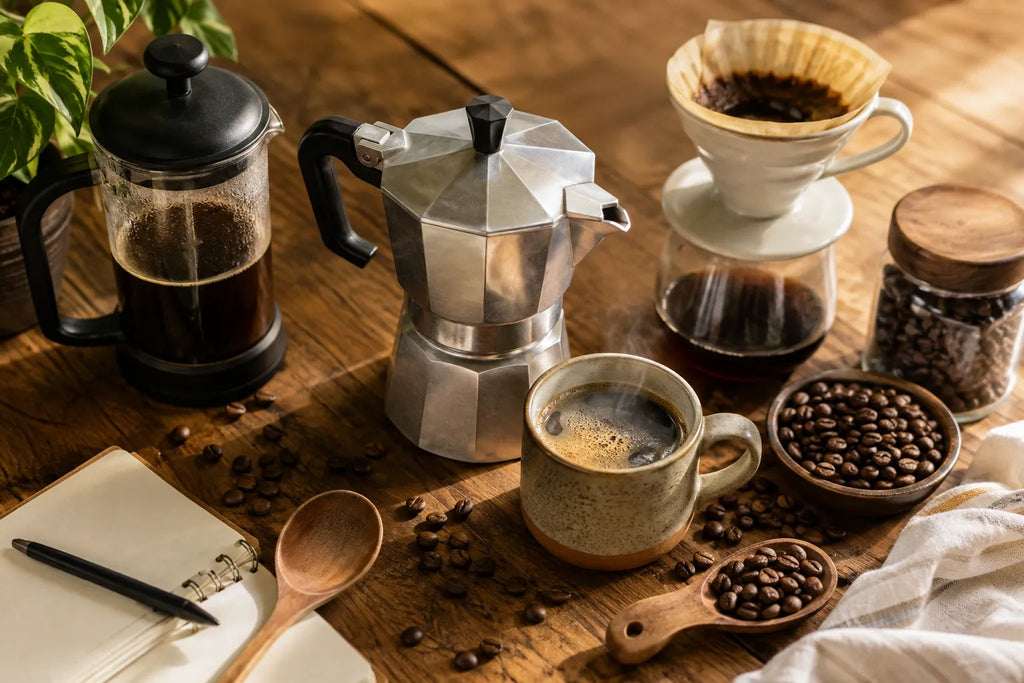
The Complete Beginner’s Guide to Brewing Coffee at Home
The Complete Beginner’s Guide to Brewing Coffee at Home
Waking up to a café-quality cup of coffee without leaving your home in Lahore, Karachi, or Islamabad is easier than most people think. Many of us in Pakistan still rely on instant coffee or expensive café visits, but brewing coffee at home can become a simple, rewarding daily ritual once you know the basics.
This complete beginner’s guide to brewing coffee at home will walk you through everything you need — from choosing beans and understanding simple methods to practical tips that work in Pakistani kitchens. You will learn step-by-step techniques that require no expensive machines, plus how to avoid common mistakes. By the end, you will feel confident making better coffee at home every day.
Why Brew Coffee at Home in Pakistan?
Home brewing gives you control over freshness, flavour, and cost. Freshly roasted beans taste noticeably better than pre-ground supermarket packs that have sat on shelves for months. You also save money over time compared with daily café runs, especially when you factor in fuel and time in traffic.
In cities like Lahore and Karachi, the heat and humidity make storage important, while Islamabad’s cooler weather is kinder to beans. Coffee Crest focuses on small-batch roasting and ethical sourcing so the coffee stays fresh when it reaches your door through nationwide delivery. Same-day delivery is available in Lahore for those who want beans quickly.
Whether you are a student, office worker, or small café owner starting out, home brewing builds real skill and appreciation for good coffee.
What You Need to Start Brewing Coffee at Home
You do not need a full barista setup. Begin with a few essentials:
- Freshly roasted whole beans (or ground just before brewing)
- A simple grinder if possible (even a basic one helps)
- Clean water (filtered or bottled is better in many Pakistani areas)
- A brewing device that fits your lifestyle
- A mug or carafe
Optional but helpful items include a scale for consistent ratios, a kettle, and a timer. Start simple and upgrade later.
Choosing the Right Coffee Beans for Beginners
The quality of your beans matters more than the equipment. Look for freshly roasted coffee. Specialty beans from trusted origins give cleaner, more interesting flavours than generic supermarket options.
Coffee Crest offers a range of coffee beans that are ethically sourced and roasted in small batches. Popular starting points include:
- Brazilian Santos — smooth with chocolate and nutty notes, very forgiving for beginners
- Colombian Cattleya — balanced and approachable with gentle sweetness
- Ethiopian Sidamo — brighter and more aromatic if you enjoy floral or fruity cups
- Signature blends such as Top Gun Blend or End Game Blend for consistent everyday drinking
If you are unsure whether to choose single origin or a blend, this guide on single origin vs blends explains the differences clearly. For method-specific advice, see how to choose the right coffee beans for your brewing method.
Always check the roast date when possible. Fresh coffee tastes best within a few weeks of roasting. Store beans in an airtight container away from heat, light, and moisture — important in humid Pakistani summers.
Basic Coffee-to-Water Ratio and Grind Size
A good starting ratio is about 1:15 to 1:17 (one part coffee to 15–17 parts water by weight). For example, 15–18 grams of coffee for a 250 ml cup. You can adjust to taste.
Grind size is equally important:
- Coarse (like sea salt) for French press
- Medium for pour-over or drip
- Medium-fine for moka pot
- Fine for espresso-style methods
If you do not have a grinder yet, many suppliers offer custom grinding. Freshly ground coffee makes a noticeable difference.
Easy Brewing Methods Perfect for Pakistani Homes
Here are four beginner-friendly methods that work well without complicated equipment.
1. French Press (Full-Bodied and Simple)
French press is one of the easiest ways to start. It produces a rich, full-bodied cup.
Steps:
- Heat water to just off boiling (around 90–95°C).
- Add coarse ground coffee to the press (about 15–18 g per 250 ml).
- Pour hot water over the grounds, stir gently, and place the lid on without pressing.
- Wait 4 minutes.
- Press the plunger down slowly and pour.
Tips for Pakistan: Use medium-dark Brazilian beans for chocolatey sweetness. Clean the press thoroughly after each use to avoid oily residue.
2. Moka Pot (Strong Stovetop Coffee)
The moka pot is popular in many Pakistani homes because it needs only a stove and produces strong, espresso-like coffee. Coffee Crest carries quality moka pots that work on gas, electric, and induction stoves.
Steps:
- Fill the bottom chamber with water up to the safety valve.
- Add medium-fine ground coffee to the filter basket (do not tamp hard).
- Assemble the pot and place on medium-low heat.
- Remove from heat when the coffee starts gurgling and the upper chamber is full.
- Stir and serve.
Use Brazilian or Colombian beans for smooth results. Avoid very high heat to prevent bitterness. This method is ideal for those who want bold coffee without an expensive machine.
3. Pour-Over / Simple Filter Method
Pour-over highlights clarity and aroma. You only need a cone dripper, paper filters, and a kettle.
Steps:
- Place the filter in the dripper and rinse with hot water.
- Add medium-ground coffee.
- Pour a small amount of water to “bloom” the coffee for 30–45 seconds (this releases gases).
- Continue pouring in slow circles until you reach the desired volume.
- Total brew time is usually 2.5–3.5 minutes.
Ethiopian or Kenyan beans shine here. Kenya Matunda AA or Ethiopian Sidamo can produce bright, clean cups that many people love.
4. Cold Brew (Refreshing for Hot Weather)
In Lahore and Karachi summers, cold brew is a game-changer. It is low-acid and naturally sweet.
Steps:
- Combine coarse ground coffee with cold water (1:8 to 1:10 ratio) in a jar.
- Stir, cover, and leave in the fridge for 12–18 hours.
- Strain through a fine cloth or filter.
- Dilute with water or milk to taste and serve over ice.
Brazilian or Colombian beans work beautifully. You can also add a touch of syrup later for flavour.
Common Mistakes Beginners Make (and How to Fix Them)
- Using old or stale beans → Buy fresh and store properly.
- Wrong grind size → Too fine can make coffee bitter; too coarse makes it weak. Adjust gradually.
- Water that is too hot or too cold → Aim for just off the boil.
- Inconsistent ratios → Use a simple scale when possible.
- Dirty equipment → Oils build up and affect taste. Rinse after every use.
- Over-extracting → Longer contact time is not always better. Follow recommended times.
These small fixes dramatically improve the cup.
Adding Flavour the Easy Way
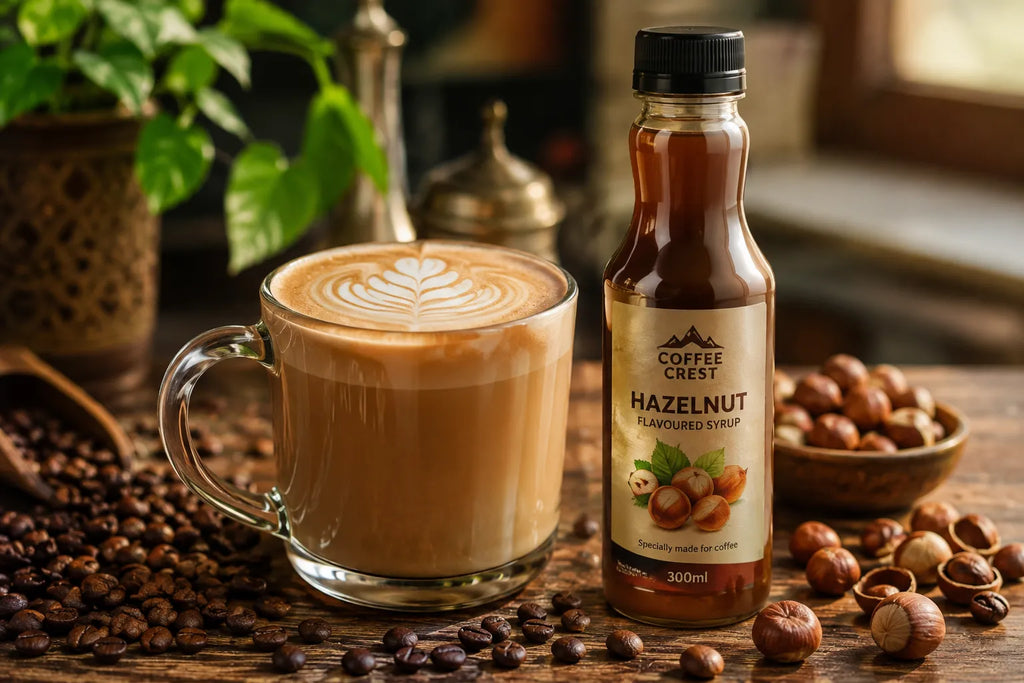
Once you master plain coffee, you can create café-style drinks at home. Coffee Crest’s syrups such as hazelnut, vanilla, and caramel are popular choices. A small amount turns a simple brew into a flavoured latte or iced coffee.
For thicker, blended drinks, explore frappe powder options in caramel, vanilla, chocolate, and white chocolate. Fruit purees can also add natural brightness to iced drinks or mocktails.
These products work well for both home use and small cafés looking for consistent results.
Tips for Better Coffee in Pakistani Conditions
- In humid weather, keep beans sealed tightly and use them within a reasonable time.
- Hard water in some areas can affect extraction — filtered water helps.
- If you share coffee with family, start with balanced medium roasts that most people enjoy.
- Experiment in small batches. Taste notes and keep simple notes on what you liked.
- For café owners or those buying in volume, consider the wholesale options and nationwide delivery reliability.
Buying coffee beans online in Pakistan has become straightforward with clear product information and convenient payment options including EasyPaisa and JazzCash.
Building Your Home Coffee Routine
Start with one method and one bag of beans. Master the basics before trying new origins or equipment. Over time you will notice differences between a smooth Brazilian, a bright Ethiopian, and a reliable blend. That discovery is part of the joy.
Many Pakistani home baristas begin with a moka pot or French press and later add a pour-over setup. Others stick with one method and simply upgrade their beans. There is no single right path.
Conclusion
This complete beginner’s guide to brewing coffee at home shows that great coffee is achievable with simple tools, fresh beans, and a little practice. Focus on freshness, correct ratios, and clean equipment, and your daily cup will improve quickly.
Coffee Crest supports this journey with ethically sourced, small-batch roasted coffee beans available for nationwide delivery across Pakistan and same-day options in Lahore. Explore the full range of coffee beans, moka pots, and other essentials at Shop All.
Start with a bag of Brazilian Santos or a balanced blend, try one of the methods above, and enjoy the process. Your perfect home brew is closer than you think.
Frequently Asked Questions
What is the easiest way to start brewing coffee at home for beginners in Pakistan?
French press or moka pot are the simplest. Both need minimal equipment and produce good results with medium-roast beans.
Do I need an expensive machine to make good coffee at home?
No. A French press, moka pot, or basic pour-over setup is enough for excellent everyday coffee when you use fresh beans.
How should I store coffee beans in humid Pakistani weather?
Keep them in an airtight container at room temperature, away from sunlight, heat, and moisture. Avoid the fridge unless the bag is properly sealed against humidity.
Which coffee beans are best for beginners?
Smooth, chocolatey options like Brazilian Santos or balanced blends are forgiving and widely liked. Brighter origins can come later once you gain confidence.
Can I make café-style flavoured drinks at home?
Yes. A good base brew plus quality syrups or frappe powder lets you create hazelnut lattes, caramel iced coffees, and more with little effort.
How often should I buy fresh coffee beans?
Ideally every 2–4 weeks so you always have freshly roasted coffee. Smaller bags help maintain freshness.
Related post

04
Sep
04
Sep
04
Sep

28
Aug
28
Aug